
|
|
|

The Bustard Head Lighthouse Cemetery
Bustard Head
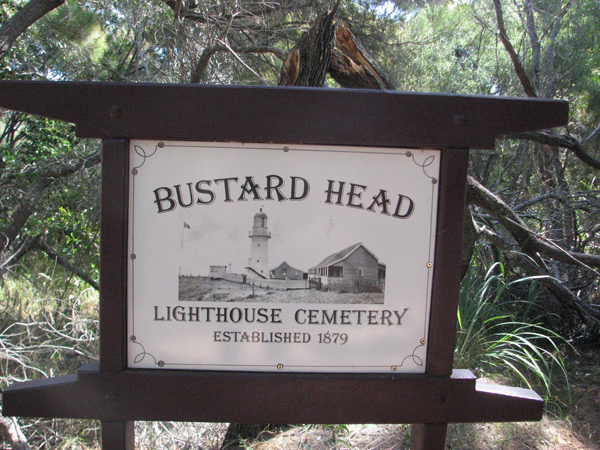 |
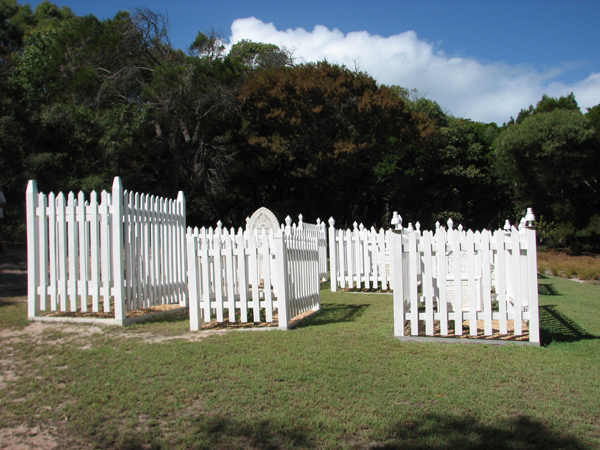
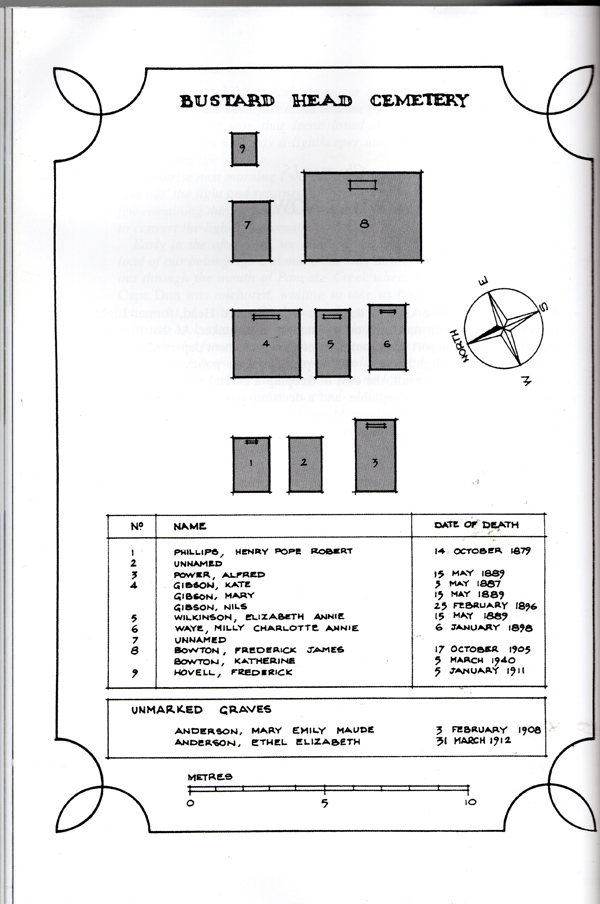
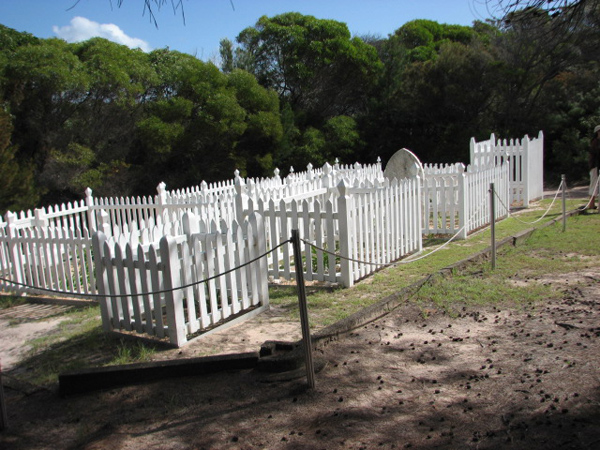
The cemetery at Bustard Head Lighthouse is one of the most poignant historic sites on the Queensland coast. Established beside the lighthouse station after the light was first lit in 1868, the cemetery reflects the hardships faced by lighthouse keepers and their families living in extreme isolation. Storms, accidents, disease, and the lack of medical assistance often turned ordinary dangers into tragedies. Over time, the small burial ground became a memorial to the men, women, and children whose lives were shaped — and sometimes cut short — by the demanding existence at Bustard Head. The earliest burial is believed to have been that of Henry Pope, a workman involved in the construction of the lighthouse who died after suffering a severe head injury during the building works. His death marked the beginning of a long association between the station and tragedy. Robert Phillips and Frederick Hovel were also among the early workers and residents connected with the station whose graves became part of the cemetery's history, illustrating the dangerous conditions endured during the pioneering years of Queensland's coastal navigation system. Among the cemetery's most tragic stories is that of Kate Gibson, wife of lighthouse keeper Nils Gibson. In May 1887, Kate disappeared from the station, and after a desperate search her body was found in nearby scrubland with her throat cut. An inquest ruled her death a suicide, and she was buried at Bustard Head. Her death deeply affected the isolated lighthouse community and became one of the most famous stories associated with the station. Only two years later, further tragedy struck the Gibson family. In 1889, Nils Gibson, his daughter Mary Gibson, Assistant Keeper John Wilkinson, Wilkinson's wife Elizabeth Annie Wilkinson, and telegraph repairer Alfred Power were travelling by boat near Pancake Creek when a sudden squall overturned the vessel. Nils Gibson survived, but Mary Gibson, Elizabeth Annie Wilkinson, and Alfred Power drowned. Mary's body was never recovered, although she is commemorated at the cemetery with the others lost in the disaster. The cemetery also contains the graves of Milly Waye, a small child born at the station who died after being badly scalded by boiling water. With no doctor available in the remote settlement, she suffered terribly before dying from her injuries. Her grave has become one of the best-known reminders of the harsh realities faced by lighthouse families. Frederick and Katherine Bowton were connected with the lighthouse during the late nineteenth century. Frederick Bowton served as superintendent of the station, but his time there was short-lived; he later died suddenly of a heart attack, and the Bowton family became closely associated with the difficult and isolated life of Bustard Head. The Anderson family also experienced repeated sorrow while stationed at Bustard Head. Mary and Ethel Anderson are remembered through the cemetery and the broader history of the station, which was marked by repeated illness, loss, and isolation among lighthouse families. The Anderson name later became linked with the infamous 1912 disappearance of Edie Anderson, daughter of the assistant keeper, in one of Queensland's most enduring outback mysteries. Today, the cemetery remains an important part of the heritage of the Bustard Head Lightstation. Though small and remote, it preserves the human stories behind the lighthouse — stories of sacrifice, endurance, grief, and resilience. The graves scattered among the coastal scrub stand as lasting reminders that the operation of Australia's early lighthouses depended not only on engineering and navigation, but also on the courage of the families who lived in isolation to keep the light burning. |
|
 |
 |
 |
 |